
Rat and Mouse Control
Trapping clears the rodents that are inside. Sealing decides whether more follow.
How Rats and Mice Get In
A mouse fits through a gap as wide as a pencil, and a young rat through one the size of a quarter. Roof rats climb, and the older neighborhoods suit them: brick houses with gaps at the roofline and around utility lines, and mature trees whose limbs reach the shingles. They cross by branch, fence or wire, enter at the eaves and nest in attic insulation. Norway rats stay low, burrowing by slabs, sheds and trash areas. House mice go wherever a door seal has worn away.
Setting traps without closing the way in turns into a standing chore, because scent trails bring in the next ones. Closing everything first can be as bad, with animals shut inside a wall. So the two go in order: the openings are found, the traps run until the activity stops, and then the openings are sealed.
Sign and Rodent
| Sign | Likely rodent | Where to look |
|---|---|---|
| Droppings like dark rice, pointed ends | House mouse | Drawers, pantry corners, behind the stove |
| Half-inch droppings, curved and pointed | Roof rat | Attic walkways, top plates, water heater closet |
| Blunt droppings close to three quarters of an inch | Norway rat | Along the slab, garage edges, under sheds |
| Scratching overhead soon after dark | Roof rat | The attic above bedrooms and over the garage |
| Dark greasy marks on a beam or pipe | A rat using the same route nightly | Where rafters meet the wall, around pipe chases |
| Shredded paper or insulation in a ball | A mouse nest | Stored boxes, stove drawers, behind the dishwasher |
| Hollowed oranges or pecans in the yard | Roof rat feeding outside | Fence tops, limbs over the roof, sheds |
| Heavy steps or noise in daylight | More often a squirrel or a raccoon | Soffit corners, the chimney cap, the roof edge |
What a Rodent Visit Includes
Pest Control- Attic
Droppings along the walls, trails in the insulation, nests, and chewed wire or duct.
- Roofline
Soffit corners, returns, plumbing vents, and limbs within a jump of the shingles.
- Walls and Utilities
Weep holes, line sets, cable and gas entries, and the dryer vent screen.
- Kitchen and Garage
Under appliances, door corners, pet food and stored seed.
- Before We Leave
Traps and bait checked against where the activity was, and entry points looked at again.
Entry Points
| Entry point | Why rodents use it | Typical sealing method |
|---|---|---|
| Gap where the roof meets brick or fascia | Sheltered, high and warm, with attic air leaking out | Metal flashing or hardware cloth fastened to solid wood |
| Weep holes in brick | Open into the wall cavity at ground level | Stainless mesh inserts that still let the wall drain |
| Air conditioning and cable lines | The hole is cut larger than the line | Copper mesh packed in, then sealant over it |
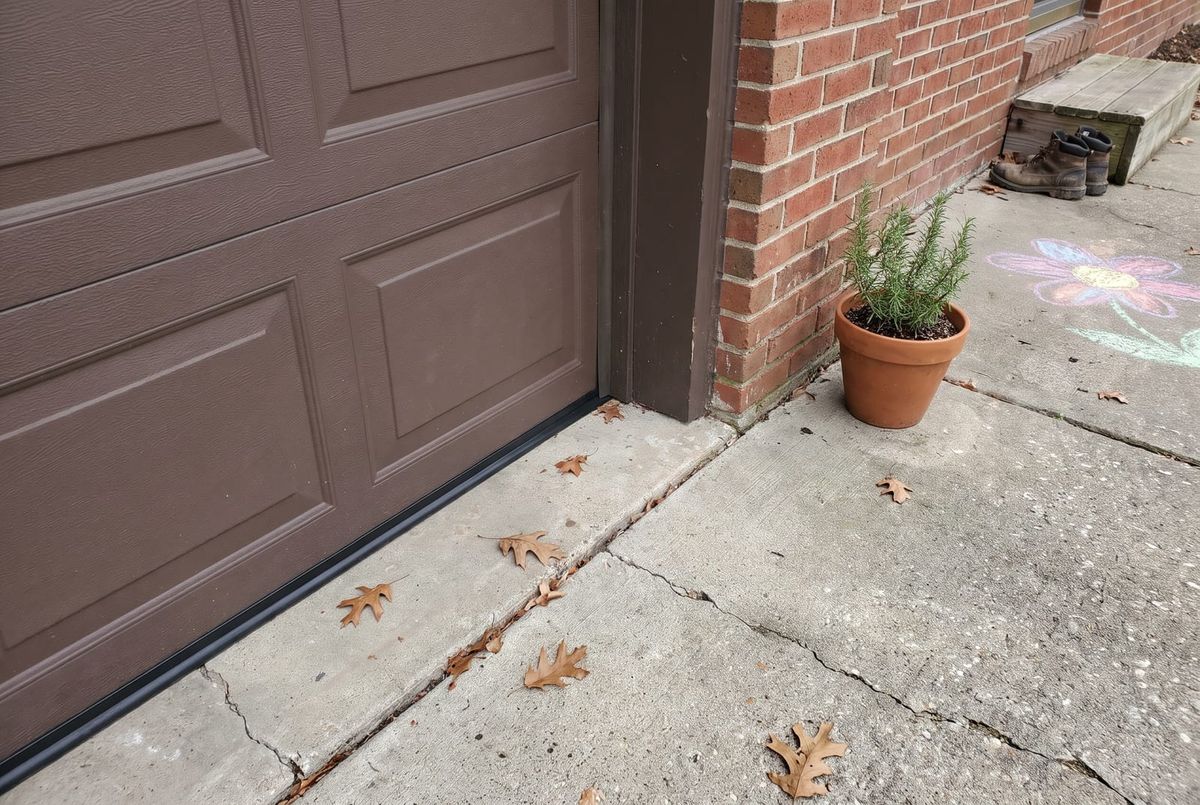
| Garage door corners | Rubber shrinks and curls away from the floor | A new bottom seal and rodent-resistant corner pieces |
| Dryer and bath vents | A loose or missing flap | A vent cover with a screen sized for airflow |
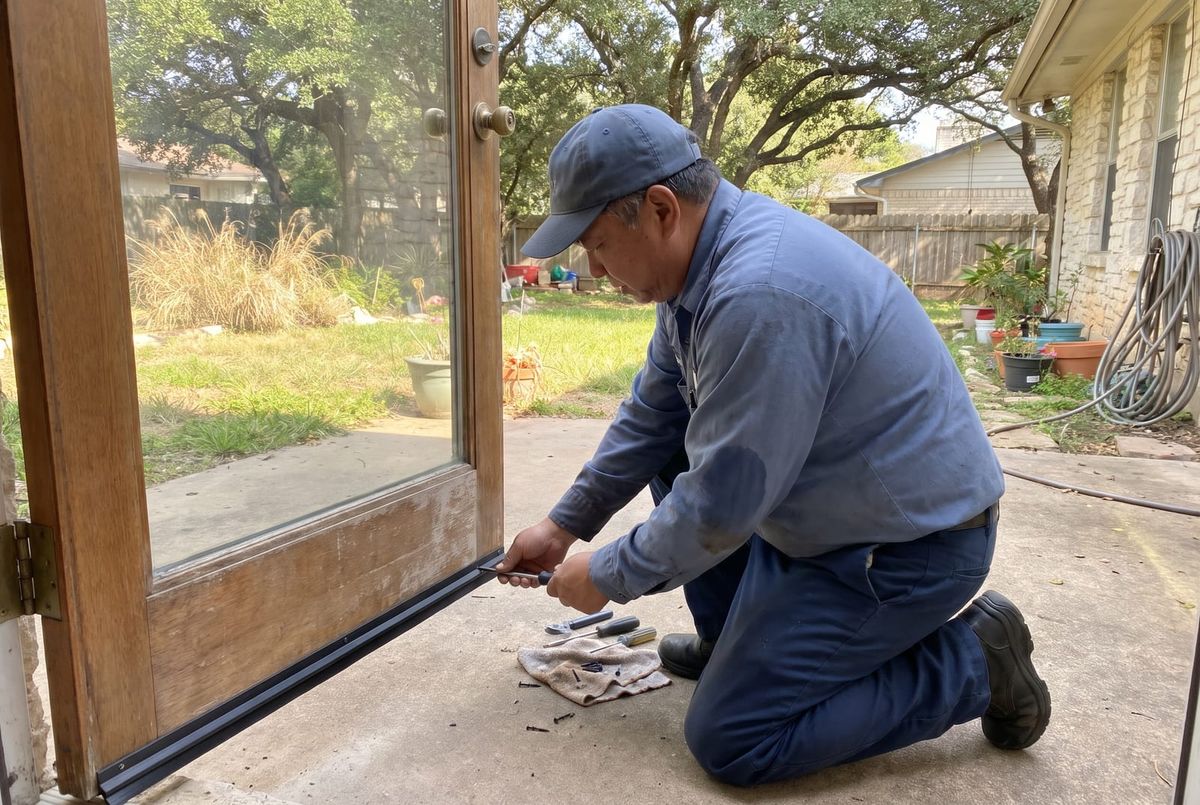
| Under a back door | A worn sweep leaves a lit strip at night | A fitted sweep and a threshold set to meet it |
Trapping and Bait
Snap traps are set along edges, where rodents run, and checked against the trails found in the attic or garage. They give a count, which is how you know when activity has ended. Bait belongs outdoors in locked, tamper-resistant stations, or in places children and pets cannot reach. Inside a house that people live in, traps are usually the better choice, because a poisoned rodent may die in a wall.
A smell several days after trapping or baiting usually means one was missed. Say so when it starts, because it is easier to trace while it is strong.
Before the Visit
- Note the hours you hear noise, and the room below it.
- Clear a way to the attic ladder or hatch.
- Put pet food and bird seed in closed containers.
- Mark where droppings are without touching them.
Droppings and Nesting Material
What is the safe way to clean up droppings?
Open windows and leave the area for half an hour. Wear gloves, do not sweep or vacuum, and soak the droppings with a disinfectant or one part bleach to ten parts water. After five minutes wipe them up with paper towels, bag the towels, and mop the spot. Wash your hands when the gloves come off.
What about a nest or soiled insulation?
Wet it the same way before it is moved, and bag it on the spot so dust does not travel through the house. A large area of soiled insulation is a job for protective equipment, so leave it until it has been looked at.
How soon can the openings be sealed?
Once traps stay empty for several nights and fresh droppings stop. Gaps that are clearly not in use can be closed from the first visit.